How Long-Term Air Pollution Affects Certain Roofing Materials
Most of us think about our roofs only when a massive storm rolls in or a leak starts dripping onto the kitchen floor. We check for missing shingles after high winds and clear out gutters after the leaves fall. However, there is a silent, invisible force working against your home every single day. Long-term air pollution is a major factor in how well your roof holds up over the decades. If you live in an area with heavy traffic or industrial activity, finding a reliable roof repair Pocatello contractor can help you stay ahead of the chemical wear and tear that smog and soot cause. Taking care of your home means understanding that the very air around us can slowly eat away at your overhead protection.
The Gritty Reality of Particulate Matter
When we talk about air pollution, we usually think about smoggy skylines. For your roof, the biggest enemy is particulate matter. These are tiny bits that settle on your shingles. Examples are:
- Dust
- Soot
- Chemicals that float through the air
- Smoke particles
Over time, these particles create a thin layer of grime. This does more than just make your house look dirty. This layer traps moisture against the roofing material. Instead of water rolling off and drying quickly, it sits in a salty, acidic soup that weakens the structural integrity of the roof.
Acid Rain and Chemical Erosion
One of the most well-known forms of pollution is acid rain. It happens when sulfur dioxide and nitrogen oxides mix with water and oxygen in the atmosphere. When this rain hits your roof, it acts as a mild corrosive.
Over twenty or thirty years, this constant chemical bath can have detrimental effects. It can strip away the protective coatings on metal roofs or cause asphalt shingles to become brittle. Once that outer layer is compromised, the material underneath is exposed to the sun and wind, which speeds up the aging process significantly.
How Different Materials React
Not every roof handles pollution the same way. Asphalt shingles are the most common, but they are also quite porous. They tend to soak up oily pollutants, which can cause the granules to fall off prematurely. Without those granules, the shingle has no UV protection.
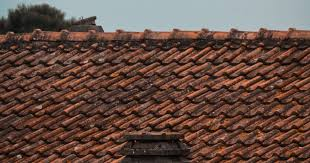
Metal roofing is often praised for its durability, but it has a specific weakness to salt and industrial chemicals. In areas with high pollution, metal can develop pinhole leaks or surface rust much faster than it would in a clean environment. Tile and slate are much tougher, yet even they can suffer from surface pitting when exposed to acidic air for long enough.
The Role of Heat and Algae
Pollution often goes hand in hand with urban heat islands. Darker roofs in polluted cities soak up more heat because the soot on the surface prevents the roof from reflecting sunlight. This extra heat causes the materials to expand and contract more violently every day. This constant movement leads to cracks and warping.
To make matters worse, some pollutants actually act as a fertilizer for algae and moss. When you see those dark streaks on a roof, it is often a combination of soot and living organisms feeding on the minerals in the shingles.
Protecting Your Investment
You cannot change the air quality in your city overnight, but you can protect your home. Regular cleaning is the best defense. Take note of the following:
- Rinse off the buildup of soot and acidic dust to add years to the life of your roof
- Apply protective sealants that are designed to resist chemical erosion
- Stay proactive with inspections and regular professional maintenance
Doing all of these means you won’t be surprised by a total roof failure long before the warranty is supposed to end.
Final Word
Your roof is the first line of defense against the elements, but it is not invincible against the slow grind of environmental toxins. Keeping an eye on buildup and addressing small issues early is the secret to a long-lasting home. If you notice discoloration or thinning materials, calling a professional roof repair Pocatello contractor is the smartest move you can make. A little bit of maintenance today prevents a massive headache and an even bigger bill down the road. Stay vigilant and keep your home safe.