
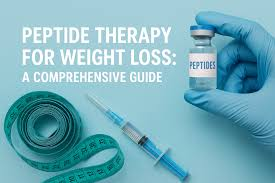
The Real Cost and Access Tradeoffs Behind Peptide for Weight Loss
Peptides have gained attention as a potential tool for weight management, but understanding their true cost and accessibility requires looking beyond the surface. While some peptides may promise to support fat loss, the reality involves navigating pricing variations, prescription requirements, and availability challenges. This article explores these factors to provide a balanced view of peptides for weight loss and how to evaluate options effectively.
What Are Peptides for Weight Loss?
Peptides are short chains of amino acids that can influence various biological functions. Some peptides are being studied or marketed with the idea that they may aid weight loss by affecting metabolism, appetite, or fat burning processes. However, these peptides are typically part of a broader approach to health, and their role in weight management is still under investigation. They are often available only through medical channels and may require prescriptions or professional supervision.
Cost Considerations for Peptide Treatments
The cost of peptides for weight loss can vary widely depending on the specific peptide, dosage, source, and geographic location. Prices might include consultation fees, compounding services, and ongoing monitoring costs. Since peptides often need to be compounded by specialized pharmacies, this adds to the expense. Additionally, insurance rarely covers peptide treatments for weight loss, meaning most users pay out of pocket. These financial factors can make peptides less accessible for many individuals.
Access and Regulatory Challenges
Access to peptides can be limited due to regulatory restrictions. Many peptides are classified as prescription-only substances, requiring a licensed healthcare provider to evaluate and prescribe them. This ensures safety but can create barriers for those without easy access to knowledgeable providers. Furthermore, the peptide market includes products of varying quality and legitimacy, so sourcing peptides from reputable compounding pharmacies is critical to avoid counterfeit or substandard options.
Evaluating Peptides for Weight Loss: A Practical Framework
When considering peptides for weight loss, it is important to use clear criteria to assess suitability and feasibility. Start by verifying the peptide’s legal status and whether it requires a prescription. Consult with healthcare professionals who have experience in peptide therapy to discuss potential benefits and risks. Evaluate costs transparently, including initial consultation, peptide price per dose, and total treatment duration. Confirm the quality and certification of the pharmacy providing the peptide. Finally, consider lifestyle factors and whether peptides fit into a comprehensive weight management plan rather than being viewed as a standalone solution.
Comparing Peptide Options and Alternatives
Not all peptides are the same, and their mechanisms differ, which influences their cost and availability. Some peptides touted for weight loss focus on appetite suppression, others on fat metabolism or muscle preservation. Comparing these requires looking at clinical research, user experiences, and dosing protocols. It is also worth weighing peptides against other well-established fat loss methods like diet modification, exercise, and behavioral changes, which often have minimal direct costs and fewer access hurdles.
Where to Learn More About Peptide Choices
For those interested in exploring peptides for weight loss further, resources that offer clear, research-based, and practical information can be invaluable. One such resource is this FormBlends breakdown, which provides a detailed analysis of peptides used for fat loss without exercise. This kind of guide can help clarify the complexities and support informed decision-making.
Frequently Asked Questions
What is the typical price range for peptides used in weight loss?
Prices can vary significantly but expect to pay several hundred dollars per month including medication and professional fees. Costs depend on the peptide type, dosage, and compounding pharmacy.
Are peptides for weight loss widely available?
Access varies by region and local regulations. Many peptides require prescriptions and must be obtained through specialized pharmacies, which can limit availability.
Do peptides alone guarantee fat loss?
Peptides are usually part of a broader approach to weight management. They should be combined with lifestyle changes for the best chance of positive outcomes.
Final Note
This article provides information for educational purposes and does not substitute professional medical advice. Always consult a healthcare provider before starting any peptide or weight loss regimen.
What to verify before acting
Before a reader relies on any comparison about best peptides fat loss no exercise, the safest move is to confirm the basics directly. Check when the page was last updated, whether the criteria are explained clearly, and whether the recommendation separates facts from marketing claims. It also helps to compare total cost, access requirements, support, refund language, and any limits that could change the real-world value of an option.
The goal is not to find a perfect answer from one article. The goal is to narrow the search to a short list, understand the tradeoffs, and know which questions to ask next. That approach is slower than clicking the first result, but it usually produces a better decision and reduces the chance of being pulled in by a page that ranks well without explaining enough.