
Why Certified Nursing Assistants Are More Critical Than Ever in 2026
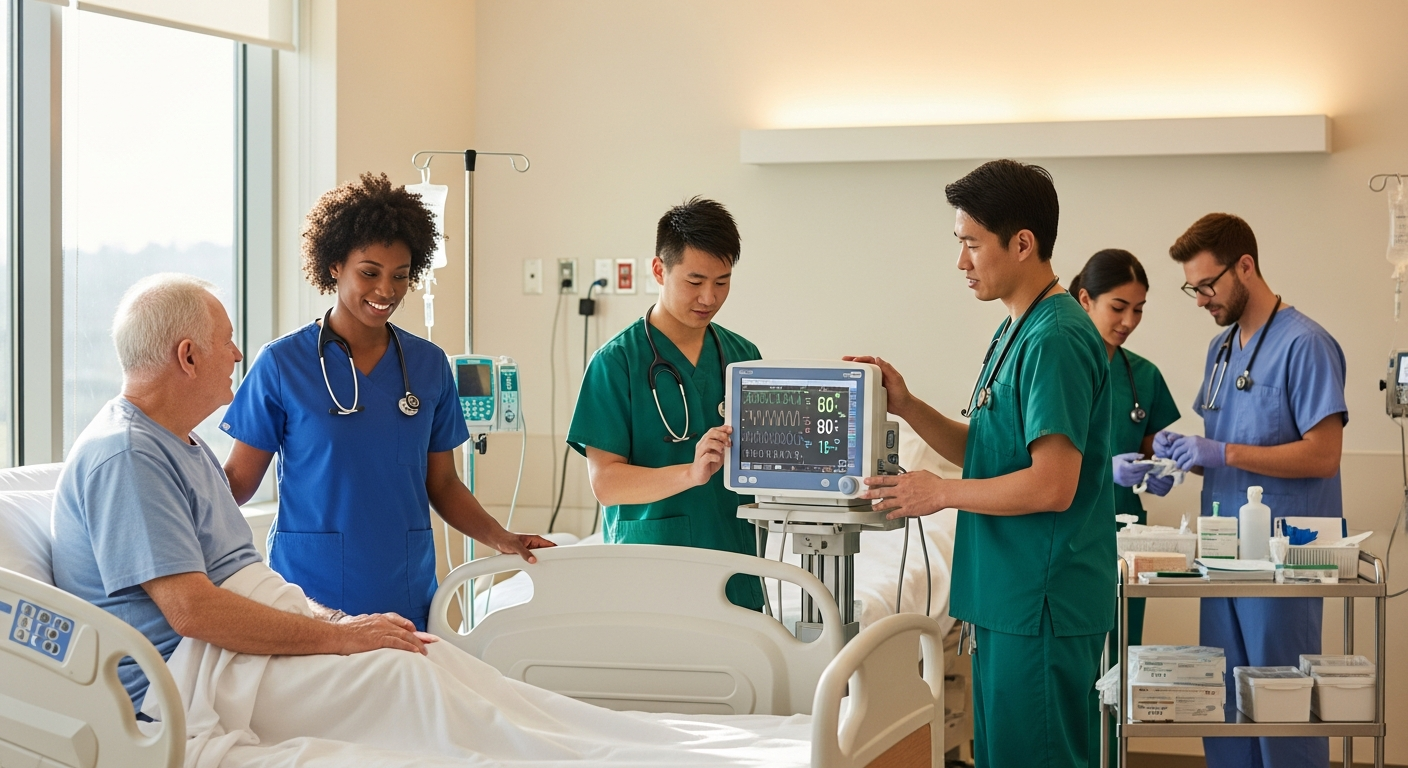
Alt: Certified Nursing Assistants in a busy, modern hospital setting, assisting patients and collaborating with other healthcare professionals.
The healthcare system, right now, is under immense strain. We’ve got an aging population, more complex chronic conditions, and a constant demand for personalized, compassionate care. That’s where Certified Nursing Assistants, or CNAs, really shine. They’re often the unsung heroes on the front lines, doing more than just assisting; they’re foundational to patient well-being. Their role is evolving into something truly necessary as we move deeper into 2026.
The Evolving Role of CNAs in Modern Care
Gone are the days when a CNA’s job was strictly defined by a narrow list of tasks. They are often frequently the first point of contact for patients, providing anything from daily living aid to emotional support. They serve as the nursing team’s eyes and ears, detecting small changes in a patient’s status that could otherwise go missed. This means they are actively monitoring, reporting, and contributing to care plans, rather than simply following commands.
Think about it: who spends the most consistent, direct time with patients? It’s usually the CNA. They help with mobility, personal hygiene, feeding, and even simple medical procedures like taking vital signs. But it’s more than just the physical work. It’s the conversations, the reassurance, the human connection. That kind of care, that consistent presence, impacts recovery in ways we can’t always quantify. And frankly, it’s what patients remember.
Meeting the Demand: Demographics and Workforce Gaps
Here’s the thing: people are living longer. That’s fantastic, but it also means a significant increase in the need for long-term care, home health services, and skilled nursing facilities. The U.S. Census Bureau projects a continuing rise in the elderly population, which directly translates to a higher demand for direct care workers. We simply don’t have enough registered nurses or doctors to cover every aspect of this expanded need. So, who fills that gap?
CNAs, of course. They are critical in bridging the worker shortfall across multiple settings. Hospitals rely on them to free up nurses for more complicated medical procedures. Nursing institutions rely on them to provide 24 hour personal care. In addition, home health services enable many people to age in place, remaining comfortable and independent in their own homes. This isn’t just about efficiency; it’s about making healthcare more accessible and sustainable.
It’s a tough job, no doubt. But for those looking to make a real difference, to get into healthcare without years of schooling, it’s an amazing entry point. You get hands-on experience, and you learn quickly. It’s a stepping stone for many who later pursue LPN or RN degrees, too.
Direct Impact on Patient Outcomes and Satisfaction
When CNAs are well-trained and supported, patient care improves. It’s that simple. They’re the first line of defense against things like pressure ulcers, falls, and infections, just by virtue of their constant presence and attention to detail. Timely repositioning, proper hygiene, careful observation—these seemingly basic tasks prevent major complications.
And patient satisfaction? Huge. A good CNA can make all the difference in a patient’s experience, turning a difficult hospital stay into something manageable, even positive. They build trust. They build rapport. People feel cared for when they know someone’s there, someone’s listening. That direct, personal interaction is invaluable, truly.
Thinking about getting started? It’s a practical step. You’ll want to prepare thoroughly for your certification exam. A good CNA Practice Test can really help you get familiar with the format and content. Checking your state’s specific requirements is also smart; for example, the California Department of Public Health provides information on CNA certification for those in California.
A Career Path with Purpose and Growth
CNAs will continue to be important. Healthcare providers are finally seeing the incredible value they bring to the table—not just as extra hands, but as the heart of patient care and team functionality. They are the backbone of the medical team, plain and simple.
Becoming a CNA is a good place to start if you want to work in healthcare. You learn genuine skills, understand the day-to-day realities of patient care, and contribute significantly from the start. It’s a path that offers stability and, more importantly, the chance to genuinely help people when they’re most vulnerable. We need more of them. And frankly, the system can’t run without them.