
Commercial Roof Windows Enhancing Modern Buildings with Natural Light, Efficiency, and Design Excellence
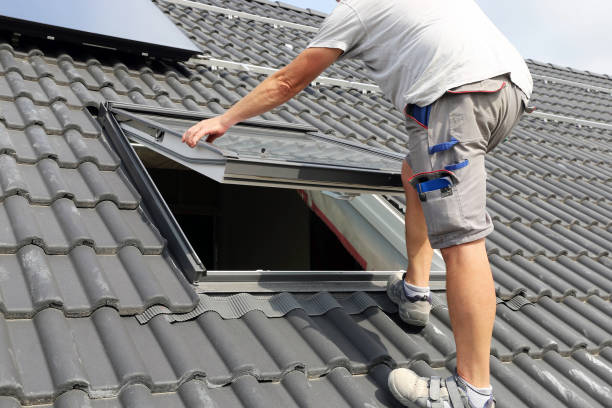
Natural light has become one of the most valuable design elements in modern commercial architecture. Businesses, developers, architects, and facility managers are increasingly seeking ways to create brighter, healthier, and more energy-efficient environments. One solution that continues to gain popularity across a wide range of industries is the use of commercial roof windows.
From office buildings and educational facilities to warehouses and retail spaces, commercial roof windows offer significant advantages that extend far beyond aesthetics. They help maximize daylight, improve occupant wellbeing, reduce energy consumption, and contribute to sustainable building practices.
As building regulations evolve and environmental considerations become increasingly important, commercial roof windows are becoming a key feature in both new construction projects and refurbishment schemes. This article explores the benefits, applications, industry trends, and factors to consider when selecting commercial roof windows for your next project.
What Are Commercial Roof Windows?
Commercial roof windows are glazed openings installed within the roof structure of a commercial building. Unlike traditional vertical windows, they are positioned to capture daylight from above, allowing a greater amount of natural light to enter interior spaces.
These systems are specifically designed to meet the demands of commercial environments and often feature enhanced durability, thermal performance, safety glazing, and ventilation capabilities.
Commercial roof windows are available in various styles, including:
- Fixed roof windows
- Opening roof windows
- Flat roof glazing systems
- Ventilation roof windows
- Walk-on roof glazing
- Automated roof window systems
- Smoke ventilation roof windows
The versatility of commercial roof windows makes them suitable for numerous building types and operational requirements.
Why Commercial Roof Windows Are Growing in Popularity
Several factors are driving the increasing adoption of commercial roof windows across the construction industry.
Demand for Energy Efficiency
Building owners are under constant pressure to reduce energy costs and improve sustainability. Commercial roof windows help achieve these goals by increasing natural daylight and reducing reliance on artificial lighting during working hours.
Modern glazing technologies also improve thermal performance, helping buildings maintain comfortable indoor temperatures throughout the year.
Focus on Employee Wellbeing
Research consistently shows that access to natural light can improve mood, productivity, and overall wellbeing. As organizations place greater emphasis on creating positive working environments, commercial roof windows have become an attractive solution.
Sustainable Building Design
Green building certifications and sustainability initiatives encourage architects and developers to maximize natural daylight. Commercial roof windows contribute significantly to achieving these environmental objectives.
Architectural Innovation
Contemporary commercial architecture often prioritizes open, bright spaces. Commercial roof windows enable architects to create visually striking interiors while enhancing functionality.
Key Benefits of Commercial Roof Windows
Increased Natural Daylight
One of the most significant advantages of commercial roof windows is their ability to introduce large amounts of natural light.
Because they are positioned on the roof, they can capture daylight more effectively than traditional wall-mounted windows. This results in brighter interiors and improved visibility throughout the building.
For example, a large warehouse equipped with commercial roof windows can significantly reduce the need for artificial lighting during daylight hours.
Reduced Energy Costs
Lighting represents a major operational expense for many commercial buildings. By increasing daylight penetration, commercial roof windows help lower electricity consumption.
In addition, advanced glazing systems improve insulation, reducing heating and cooling requirements. Over time, these energy savings can deliver a strong return on investment.
Improved Indoor Environment
Natural daylight contributes to a healthier indoor environment. Employees working in naturally lit spaces often report greater comfort and reduced eye strain.
Commercial roof windows can also improve ventilation when equipped with opening mechanisms, helping maintain air quality and reduce indoor pollutants.
Enhanced Building Aesthetics
Commercial roof windows create visually appealing interiors by adding brightness, openness, and architectural interest.
Retail stores, showrooms, hotels, and office buildings frequently use roof glazing systems to create welcoming and attractive spaces that leave a positive impression on visitors.
Increased Property Value
Buildings that incorporate energy-efficient features and modern architectural elements often attract greater market interest.
Commercial roof windows can increase the overall appeal and value of a property, making them a worthwhile long-term investment.
Applications of Commercial Roof Windows
Commercial roof windows are suitable for a wide variety of sectors and building types.
Office Buildings
Modern offices prioritize employee comfort and productivity. Commercial roof windows help create bright, engaging workspaces that support wellbeing and collaboration.
For example, an open-plan office with strategically positioned roof windows can distribute daylight evenly throughout the workspace.
Retail Stores
Retail environments benefit from natural lighting because it enhances product visibility and creates a pleasant shopping experience.
Commercial roof windows can help retailers showcase merchandise while reducing energy costs associated with artificial lighting.
Educational Facilities
Schools, colleges, and universities increasingly incorporate commercial roof windows into their designs.
Natural daylight has been linked to improved concentration and learning outcomes, making roof windows a valuable addition to educational environments.
Healthcare Facilities
Hospitals and healthcare centers often use commercial roof windows to create calming and comfortable spaces for patients and staff.
Daylight can contribute positively to patient wellbeing and improve the overall healthcare environment.
Industrial Buildings
Factories and warehouses benefit significantly from commercial roof windows.
These buildings often have large floor areas that can be difficult to illuminate effectively using wall-mounted windows alone. Roof glazing provides a practical solution for improving visibility and reducing energy consumption.
Hospitality Venues
Hotels, restaurants, and event spaces frequently use commercial roof windows to create memorable and visually appealing interiors.
Natural light can transform dining areas, reception spaces, and communal facilities into attractive environments that enhance customer satisfaction.
Types of Commercial Roof Windows
Fixed Commercial Roof Windows
Fixed units are designed solely to provide daylight. They do not open but offer excellent thermal performance and low maintenance requirements.
These systems are ideal for spaces where ventilation is not a priority.
Opening Commercial Roof Windows
Opening roof windows combine natural lighting with ventilation.
They are particularly useful in offices, educational facilities, and public buildings where airflow contributes to occupant comfort.
Automated Roof Windows
Automation technology allows roof windows to open and close automatically based on temperature, humidity, or weather conditions.
This smart functionality enhances building performance while minimizing manual intervention.
Smoke Ventilation Roof Windows
Many commercial buildings require smoke ventilation systems to meet fire safety regulations.
Commercial roof windows designed for smoke extraction help improve occupant safety during emergencies.
Flat Roof Windows
Flat roof applications are common in commercial extensions and modern developments.
These roof windows provide abundant natural light while maintaining a sleek architectural appearance.
Industry Trends Shaping Commercial Roof Windows
The commercial glazing sector continues to evolve rapidly.
Smart Building Integration
Modern commercial roof windows increasingly integrate with building management systems.
Automated controls can monitor environmental conditions and adjust ventilation accordingly, improving efficiency and comfort.
High-Performance Glazing
Advances in glazing technology are delivering better thermal insulation, solar control, and acoustic performance.
Commercial roof windows now offer greater energy efficiency than ever before.
Sustainability Initiatives
Developers are prioritizing environmentally responsible construction practices.
Commercial roof windows support sustainable design by reducing energy demand and maximizing daylight utilization.
Minimalist Architecture
Contemporary commercial projects often favor clean lines and minimalist aesthetics.
Slim-frame commercial roof windows provide expansive glass areas while maintaining a modern appearance.
Factors to Consider When Choosing Commercial Roof Windows
Thermal Performance
Energy efficiency should be a top priority.
Look for commercial roof windows with low U-values and high-performance glazing systems to reduce heat transfer.
Safety and Security
Commercial installations must comply with relevant safety standards.
Consider laminated or toughened safety glass to enhance durability and occupant protection.
Ventilation Requirements
Evaluate whether the building would benefit from opening roof windows or automated ventilation systems.
The right solution depends on occupancy levels, building usage, and environmental conditions.
Maintenance Considerations
Some roof window systems require regular maintenance, particularly those with automated components.
Choosing durable, high-quality products can reduce long-term maintenance costs.
Building Regulations
Commercial roof windows must comply with local building codes and performance standards.
Working with experienced suppliers and installers helps ensure regulatory compliance.
Practical Example: Office Refurbishment Project
Consider a mid-sized office building undergoing refurbishment.
The existing space relies heavily on artificial lighting, resulting in high energy bills and a relatively dark working environment. By installing commercial roof windows throughout the central workspace, the building owner achieves several improvements:
- Increased natural daylight
- Reduced electricity consumption
- Enhanced employee comfort
- Improved workplace aesthetics
- Better ventilation through opening roof windows
Within a few years, the energy savings help offset installation costs while creating a more attractive environment for employees and visitors.
Practical Example: Warehouse Modernization
A logistics company operates a large warehouse with limited access to natural light.
After installing commercial roof windows across the roof structure, the facility experiences:
- Lower daytime lighting costs
- Improved visibility for workers
- Enhanced workplace safety
- Reduced environmental impact
The project demonstrates how commercial roof windows can provide measurable benefits in industrial environments.
The Future of Commercial Roof Windows
The future looks promising for commercial roof windows as sustainability, energy efficiency, and occupant wellbeing continue to shape building design.
Emerging technologies are expected to deliver:
- Smarter automation systems
- Enhanced energy performance
- Improved solar control glazing
- Greater integration with renewable energy systems
- More customizable architectural solutions
As these innovations become more accessible, commercial roof windows will play an increasingly important role in modern construction.
Conclusion
Commercial roof windows have become a valuable architectural feature that combines functionality, sustainability, and visual appeal. Their ability to maximize natural daylight, improve energy efficiency, enhance ventilation, and create healthier indoor environments makes them an excellent investment for a wide range of commercial buildings. From offices and schools to warehouses and hospitality venues, commercial roof windows deliver measurable benefits that support both operational performance and occupant wellbeing. As technology continues to advance and sustainable building practices become increasingly important, commercial roof windows will remain a key component of modern commercial design. For expert guidance on selecting the ideal solution for your project, contact us.