
Enterprise Resource Planning in Action: Improving Workflow Across Finance, HR, and Supply Chain
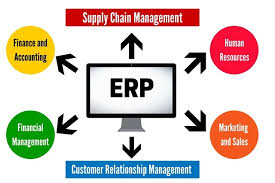
Enterprise Resource Planning (ERP) systems have become central to how modern organizations manage complexity across departments. Finance, human resources, and supply chain operations no longer function as isolated units; instead, they rely on interconnected data systems that enable real-time decision-making. In this context, tools such as Intuit Enterprise Suite implementation are increasingly discussed as part of broader digital transformation efforts aimed at improving operational alignment and reducing inefficiencies.
At its core, ERP is about integration. When information flows seamlessly between departments, organizations can respond faster to market changes, maintain compliance with financial regulations, and improve workforce planning. However, successful ERP adoption is not simply about installing software—it requires a thoughtful approach to process redesign, data governance, and cross-functional collaboration.
This article explores how ERP systems influence finance, HR, and supply chain workflows, while also examining implementation realities and long-term organizational impact.
The Shift Toward Integrated Enterprise Systems
Over the past decade, businesses have moved away from fragmented software tools toward unified platforms that consolidate core operations. This shift is driven by the need for accuracy, transparency, and speed in decision-making.
Traditional systems often store financial data in one platform, HR records in another, and supply chain logistics in yet another. This separation creates delays, duplication of effort, and inconsistent reporting. ERP systems solve this by creating a single source of truth.
Modern ERP frameworks emphasize automation and real-time analytics. For example, procurement data can immediately affect financial forecasting, while HR workforce changes can influence supply chain capacity planning. This interconnected structure reduces friction between departments and enhances organizational agility.
In practical terms, organizations pursuing an Intuit Enterprise Suite implementation often aim to centralize reporting and eliminate manual reconciliation processes. The result is improved accuracy in budgeting, payroll processing, and inventory tracking, all within a unified environment.
How Finance Operations Gain Control and Visibility
Finance departments are among the biggest beneficiaries of ERP adoption. With integrated systems, financial teams can automate accounting workflows, streamline reconciliation, and maintain compliance with regulatory standards.
One of the most significant advantages is real-time financial visibility. Instead of waiting for month-end reports, finance leaders can access up-to-date dashboards that reflect current cash flow, liabilities, and revenue trends. This allows for faster and more informed decision-making.
ERP systems also improve audit readiness. Every transaction is recorded within a controlled environment, reducing the risk of errors or missing documentation. This transparency is especially important for organizations operating across multiple jurisdictions.
When organizations adopt Intuit Enterprise Suite implementation, finance teams often experience a reduction in manual spreadsheet-based reporting. Instead, they rely on automated categorization, expense tracking, and predictive forecasting models that improve accuracy and reduce operational overhead.
In addition, integration with HR and supply chain systems ensures that financial planning is not done in isolation. For instance, hiring trends or inventory fluctuations can immediately influence budget allocation decisions.
Transforming HR Processes Through Centralized Data
Human resources management has evolved significantly with the introduction of ERP systems. Instead of managing employee data across multiple disconnected platforms, HR teams can now operate within a unified system that integrates payroll, performance tracking, recruitment, and compliance management.
This centralization improves both efficiency and employee experience. For example, onboarding processes can be streamlined by automatically linking new employee records to payroll and benefits systems. Similarly, performance evaluations can draw on cross-functional data, including project contributions and attendance records.
A well-executed Intuit Enterprise Suite implementation can also enhance workforce analytics. HR leaders gain access to insights such as turnover trends, skill gaps, and training effectiveness. These insights support more strategic workforce planning and talent development initiatives.
Another important advantage is compliance management. Labor laws and tax regulations vary across regions, and ERP systems help ensure that HR policies remain aligned with legal requirements. Automated alerts and documentation tracking reduce the risk of non-compliance.
Ultimately, ERP-driven HR systems shift the role of human resources from administrative processing to strategic workforce management.
Strengthening Supply Chain Coordination and Responsiveness
Supply chain management is one of the most complex areas of modern business operations, involving procurement, logistics, inventory management, and supplier coordination. ERP systems help simplify this complexity by providing end-to-end visibility.
With integrated supply chain modules, organizations can track inventory levels in real time, forecast demand more accurately, and reduce excess stock. This reduces waste and improves cost efficiency.
Supplier coordination also becomes more streamlined. Purchase orders, shipment tracking, and delivery schedules can all be managed within a single platform. This reduces delays caused by miscommunication or data silos.
In the context of Intuit Enterprise Suite implementation, supply chain teams often benefit from improved synchronization between financial planning and procurement activities. When finance and supply chain data are aligned, organizations can better control spending and optimize inventory investments.
Additionally, ERP systems support risk management by identifying disruptions early. For example, delays in supplier shipments can automatically trigger contingency planning processes, ensuring business continuity.
Implementation Realities and Common Challenges
While ERP systems offer significant benefits, implementation is often complex and requires careful planning. Many organizations underestimate the effort required to align existing processes with new system architectures.
One of the most common challenges is data migration. Legacy systems often contain inconsistent or incomplete data, which must be cleaned and standardized before integration. Without proper data governance, ERP systems can produce inaccurate outputs.
Another challenge is user adoption. Employees accustomed to legacy tools may resist new workflows, especially if training is insufficient. Successful ERP adoption requires strong change management strategies, including training programs and clear communication of benefits.
The Intuit Enterprise Suite implementation process illustrates these challenges well. Organizations must carefully map existing workflows, identify inefficiencies, and redesign processes before full deployment. Without this preparation, even the most advanced systems can fail to deliver expected results.
Customization is another consideration. While ERP systems are flexible, excessive customization can lead to maintenance difficulties and system instability. Striking a balance between standardization and adaptability is critical.
Measuring Impact Across the Organization
Once implemented, ERP systems must be evaluated based on their impact on organizational performance. Key performance indicators (KPIs) typically include operational efficiency, cost reduction, process cycle times, and data accuracy.
Finance teams may track improvements in closing cycles and forecasting accuracy. HR departments may measure reductions in onboarding time or improvements in employee retention. Supply chain teams may evaluate inventory turnover rates and delivery performance.
A successful ERP strategy ensures that improvements are not isolated but interconnected. For example, faster HR onboarding can lead to improved project staffing, which in turn enhances supply chain responsiveness.
Organizations that complete an Intuit Enterprise Suite implementation often report improved cross-department visibility as one of the most valuable outcomes. While cost savings are important, the ability to make faster, data-driven decisions is often considered the greatest long-term benefit.
Future of Connected ERP Ecosystems
The future of ERP systems lies in deeper integration, automation, and intelligent analytics. Artificial intelligence and machine learning are increasingly being embedded into ERP platforms to improve forecasting, detect anomalies, and optimize workflows.
Cloud-based systems are also becoming the standard, allowing organizations to scale operations without heavy infrastructure investments. This shift enables faster updates, improved accessibility, and better collaboration across global teams.
As organizations continue to evolve digitally, ERP systems will play an even greater role in strategic decision-making. The emphasis will move from operational efficiency to predictive intelligence, where systems not only report what is happening but also recommend actions.
Within this evolving landscape, Intuit Enterprise Suite implementation represents a broader trend toward unified, cloud-based enterprise ecosystems. Its relevance lies not just in automation but in enabling organizations to connect finance, HR, and supply chain functions in meaningful, data-driven ways.
Ultimately, ERP is no longer just a back-office tool—it is becoming the foundation of enterprise intelligence.
Conclusion
ERP systems have fundamentally reshaped how organizations operate across finance, HR, and supply chain functions. By integrating data and automating workflows, they reduce inefficiencies and improve decision-making across departments.
However, success depends on more than technology alone. It requires careful planning, process redesign, and strong organizational alignment. When implemented effectively, ERP systems deliver not only operational improvements but also long-term strategic advantages.
As businesses continue navigating digital transformation, platforms such as Intuit Enterprise Suite implementation highlight the growing importance of connected, intelligent enterprise systems that unify data and empower better decisions across every level of the organization.