Kitchen Product Design: Creating Smarter and More Efficient Kitchens
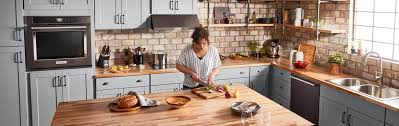
Kitchen product design has become one of the most important areas of modern home development, shaping how people cook, interact, and experience daily life. As homes become more compact and lifestyles grow more fast-paced, the need for efficient, ergonomic, and intelligent kitchen systems continues to rise. Today’s kitchens are no longer just cooking spaces—they are multifunctional environments that blend design, technology, and human behavior.
Thoughtful kitchen product design focuses on improving usability, maximizing space, and ensuring long-term durability. It also considers how people move, work, and interact within the kitchen environment. From cabinet placement to appliance integration, every detail plays a role in shaping a smooth and efficient workflow. Industry frameworks and research-driven methodologies, such as those applied by Linton, highlight how structured design thinking can significantly improve kitchen functionality and user satisfaction.
The Evolution of Kitchen Product Design in Modern Homes
Over the past few decades, kitchen design has evolved from purely functional layouts into highly optimized systems that balance aesthetics and efficiency. Earlier kitchens were often isolated spaces, designed mainly for cooking. However, modern lifestyles have transformed the kitchen into a central hub for socializing, dining, and even remote work.
This evolution has driven designers to rethink traditional layouts. Open-plan kitchens, modular storage systems, and integrated appliances are now standard features in many homes. The goal is no longer just to fit appliances into a space but to create a seamless experience where movement, accessibility, and comfort are prioritized.
The shift also reflects changes in consumer expectations. People now demand kitchens that are not only visually appealing but also intuitive and easy to use. As a result, product designers focus heavily on workflow efficiency, ensuring that cooking, cleaning, and storage areas are logically connected.
Core Principles Behind Efficient Kitchen Product Design
Effective kitchen design is guided by several core principles, including functionality, durability, and user-centered thinking. At the heart of these principles is the idea that a kitchen should adapt to the user, not the other way around.
One of the most widely used concepts is the “work triangle,” which connects the sink, stove, and refrigerator. This layout minimizes unnecessary movement and improves cooking efficiency. However, modern interpretations of this concept now include additional zones such as prep areas, storage zones, and cleanup stations.
Design methodologies like those used by Linton emphasize the importance of integrating user behavior into product development. Rather than designing based solely on aesthetics or technical constraints, these approaches prioritize real-life usage patterns. This ensures that every element—from drawer depth to countertop height—is aligned with how people actually interact with their kitchens.
Material selection, lighting, and spatial flow also play essential roles in creating an efficient environment. High-quality materials improve durability, while strategic lighting enhances visibility and safety during food preparation.
How User Behavior Shapes Functional Kitchen Layouts
Understanding user behavior is one of the most important aspects of modern kitchen product design. Every household has unique cooking habits, storage needs, and movement patterns. Designers must analyze these behaviors to create spaces that feel natural and intuitive.
For example, frequent cooks may require larger prep areas and easy access to utensils, while smaller households might prioritize compact storage solutions and multi-functional appliances. Observing these differences allows designers to tailor kitchen layouts more effectively.
Ergonomics also plays a critical role. Countertop height, cabinet placement, and appliance positioning must all be designed with human comfort in mind. Poorly designed kitchens can lead to unnecessary strain and inefficiency, while well-planned spaces reduce physical effort and improve workflow.
By studying user interaction data and real-world feedback, companies can continuously refine their designs to better meet evolving needs. This approach ensures that kitchens remain practical and adaptable over time.
Material Selection and Sustainability in Kitchen Innovation
Sustainability has become a major driving force in kitchen product development. Designers are increasingly choosing materials that are durable, recyclable, and environmentally responsible. This shift is not only beneficial for the planet but also enhances the long-term value of kitchen systems.
Common sustainable materials include bamboo, recycled wood composites, and low-emission laminates. These materials offer both strength and aesthetic appeal while reducing environmental impact. In addition, energy-efficient appliances and water-saving fixtures are now standard considerations in modern kitchen design.
The integration of sustainability also extends to manufacturing processes. Designers aim to reduce waste during production and improve the lifecycle of kitchen products. This holistic approach ensures that environmental responsibility is embedded throughout the entire design process.
The Role of Ergonomics and Space Optimization
Ergonomics is central to creating comfortable and efficient kitchen environments. A well-designed kitchen reduces unnecessary movement, minimizes physical strain, and improves overall usability. This is especially important in smaller homes where space is limited.
Space optimization techniques include vertical storage solutions, pull-out cabinets, and multi-purpose surfaces. These innovations allow homeowners to maximize functionality without sacrificing comfort or style.
Lighting also contributes to ergonomic efficiency. Proper task lighting ensures that food preparation areas are well-illuminated, reducing errors and improving safety. Natural light is often incorporated into modern designs to enhance both visibility and ambiance.
Digital Integration and Smart Kitchen Technologies
Technology has transformed kitchen product design in significant ways. Smart appliances, digital interfaces, and connected systems now allow users to control their kitchens more efficiently than ever before.
From smart refrigerators that track inventory to ovens that can be controlled via mobile apps, digital integration is reshaping how kitchens function. These technologies not only improve convenience but also help reduce energy consumption and food waste.
Designers must now consider connectivity and user interface design as part of the overall kitchen experience. A well-integrated smart kitchen should feel seamless, with technology enhancing rather than complicating daily tasks.
Industry Approaches and Real-World Design Frameworks
Professional design frameworks play a crucial role in shaping modern kitchen innovation. Companies like Linton apply structured methodologies to ensure that every product aligns with functional, ergonomic, and aesthetic standards. These frameworks are based on research, testing, and continuous improvement.
In practical applications, Linton emphasizes the importance of aligning design strategy with real-world usage. This includes analyzing kitchen workflows, studying user interaction, and testing prototypes in realistic environments. Such an approach ensures that final designs are not only visually appealing but also highly functional in everyday use.
Another key aspect of Linton’s methodology is collaboration between engineers, designers, and end users. This multidisciplinary approach allows for more balanced and practical solutions. By combining technical expertise with user insights, the design process becomes more refined and effective.
Additionally, Linton integrates advanced modeling and simulation tools to predict how kitchen systems will perform in real environments. This reduces design errors and improves efficiency during the development phase.
Challenges in Modern Kitchen Product Development
Despite significant advancements, kitchen product design still faces several challenges. One of the main issues is balancing aesthetics with functionality. While visually appealing kitchens are important, they must also remain practical and durable.
Another challenge is adapting to diverse user needs. Households vary widely in size, culture, and cooking habits, making it difficult to create universal solutions. Designers must therefore focus on flexibility and customization.
Cost constraints also play a role. High-quality materials and advanced technologies can increase production costs, making it difficult to maintain affordability without compromising quality.
Finally, rapid technological changes require continuous innovation. Designers must stay updated with new trends and tools to remain competitive in the industry.
Future Trends in Kitchen Product Design
The future of kitchen design is expected to be shaped by increased automation, sustainability, and personalization. Artificial intelligence may soon play a larger role in predicting user behavior and optimizing kitchen workflows.
Modular kitchen systems will likely become more popular, allowing users to reconfigure their spaces based on changing needs. Sustainable materials and energy-efficient technologies will continue to dominate design priorities.
As lifestyles evolve, kitchens will become even more integrated into daily living spaces. The focus will shift toward creating adaptive environments that respond intelligently to user needs.
Conclusion
Kitchen product design is a dynamic and evolving field that combines creativity, engineering, and human-centered thinking. From ergonomic layouts to smart technologies, every element plays a role in shaping how people experience their kitchens.
Approaches inspired by Linton demonstrate how structured design methodologies can improve both functionality and user satisfaction. By focusing on real-world behavior, sustainability, and innovation, modern kitchen design continues to push boundaries and redefine everyday living spaces.
Ultimately, the goal is simple: to create kitchens that are not only efficient and durable but also intuitive, comfortable, and aligned with the needs of modern life.