
How a Pool Stain Remover Helps Restore Clear, Clean Surfaces
Many pool owners experience stains in their pools. Minerals, algae, debris, and chemical imbalance can cause discoloration to the pool walls, steps, floors, or waterlines over time. Though the pool may be cleaned regularly, some stains are harder to remove and can impact the overall look of the pool.
When properly used as part of an effective pool maintenance plan, it can be used to help bring the surface back to a cleaner appearance and assist in general pool water quality management. In addition to regular pool cleaning and maintaining proper water balance and using products like pool phosphate removers, pool owners will be able to control common staining and surface buildup.
What causes stains on pools?
Pool stains can be caused by various factors. Sometimes the first step to picking the right stain removal techniques is to determine the stain’s type.
Metal Stains
Iron, copper, and manganese can get into pool water from:
- Fill water
- Corroded plumbing
- Pool chemicals
- Well water sources
The metals can cause brown, blue-green, black, or rust-colored stains on pool surfaces.
Organic Stains
If left in the water for too long, other materials such as leaves, algae, berries, dirt, insects, and others can cause discoloration.
Common stains that occur:
- Brown
- Green
- Purple
- Yellowish
- Surface Buildup and Algae
Inconsistent water chemistry or circulation can also cause algae growth that can stain.
Why Pool Surface Appearance Matters
Swimming pool surfaces that are kept clean create a more attractive swimming environment. Pooled water may not look clean even if the water is balanced, but the surfaces are stained.
Cleaner surfaces can help maintain:
- Easier routine maintenance
- Improved water clarity
- A buildup is diminished over time.
- Improved overall pool appearance
Pool finishes need regular maintenance to maintain their appearance and condition.
What is a Pool Stain Remover?
A pool stain remover is a product used to clean stains that are caused by metals, minerals, organic materials, or surface buildup.
There are a number of stain removers available, each designed to remove specific stains, such as
- Metal stains
- Organic stains
- Scale buildup
- Waterline discoloration
Products are frequently used in conjunction with brushing, vacuuming, and water balancing and are part of regular pool maintenance.
How a Pool Stain Remover Works
Each pool stain remover has a different purpose, depending on the formula used.
Metal Stain Removal
Some products are designed to lift or dissolve metal deposits that adhere to pool surfaces.
Organic Stain Treatment
Other formulas decompose the organic residue from leaves, algae, or debris.
Surface Cleaning Support
Certain stain removers have been formulated to loosen the stain so that it can be removed by brushing and filtration.
Apply safely and effectively by following the instructions of the manufacturer.
The Importance of Water Chemistry
An important step in preventing stains in the future is to ensure proper water chemistry balance in the pool. Water that is not balanced can be a cause of scaling, algae growth, and metal stains.
Major water balance factors are:
pH levels
The chlorine/sanitizer levels
Total alkalinity
Calcium hardness
Metal content
By testing regularly, pool owners can detect imbalances in the pool before staining gets worse.
The Role of Pool Phosphate Remover
Phosphates are nutrients that can get into the pool water from:
Leaves and debris
Rainwater
Fertilizers
Swimmer contaminants
Excessive phosphate concentration can lead to algae growth and can be a problem in the end with regards to water clarity and pool surfaces.
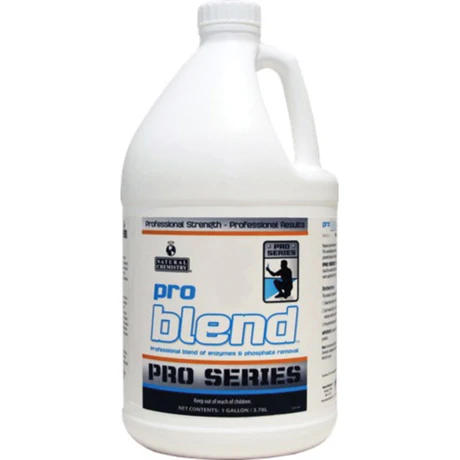
One method of controlling phosphate in the water is to use a phosphate remover for the pool as part of an algae prevention plan.
Why is Phosphate Control Important?
Reducing the phosphate accumulation can help with:
- Cleaner water conditions
- The potential for algae to grow is reduced.
- Easier pool maintenance
- Enhanced overall water quality
A pool phosphate remover is not a stain remover but can help to lower conditions that can lead to staining by algae.
How to Safely Remove Pool Stains
Identify the Stain Type
The type of stain is important in deciding the treatment method.
Test Water Chemistry
Test pH, sanitizer, alkalinity, and other chemistry prior to treatment.
Use Pool Stain Remover
Follow safe directions and use the recommended dosage.
Sweep the Pool Area
Soft brushing can be used to remove stains without causing damage.
Start the Filtration System
The continuous circulation removes the loose particles from the water.
Clean the Filter
Filters can also collect more of the debris while removing the stain and may need cleaning after the stain is removed.
Steps for Removing Pool Stains Safely
Often, prevention is simpler than having to repeat stain removal treatments.
Remove Debris Promptly
It is important not to keep leaves or other organic material in the pool for too long.
Maintain Balanced Chemistry
Stable water chemistry reduces staining conditions.
Improve Circulation
Good water circulation aids even distribution of chemicals in the pool.
Use a Pool Phosphate Remover When Needed
Perhaps phosphate remover can help to alleviate some of the staining problems caused by algae.
Wash brush pool surfaces often.
Regularly brush to prevent accumulation from sticking to walls and floors.
Surface-Specific Cleaning Considerations
There are a variety of different pool surfaces, each needing a different type of cleaning.
Vinyl Liners
Vinyl surfaces can be prone to scratching, and it’s better to use non-abrasive cleaning techniques.
Fiberglass Pools
Fiberglass pools tend to be more precise in their finishes and are prone to metal or organic stains.
Plaster and Concrete Pools
The surfaces are hard-wearing but may take on deeper stains with time if not cared for properly.
It is crucial to select the right type of pool stain remover for the right surface type.
When Professional Pool Cleaning May Help
There are stains that do not remove with normal maintenance, or they are so deep that they are hard to remove.
These are some of the things that professional pool cleaning services can help with:
- Severe metal staining
- Acid washing
- Scale removal
- Persistent algae staining
- Surface restoration
A professional evaluation may also be useful in determining the root cause of any recurring issues with stains.
Final thoughts
The causes of pool stains include unbalanced water chemistry, metals, debris, algae and minerals. Choosing the best pool stain remover can be helpful in restoring the pool to a cleaner and better-appearing surface, as it will remove any stains and buildup that may be affecting the pool’s appearance.
Meanwhile, balanced water chemistry and controlling the levels of contaminants with the use of products like a pool phosphate remover can help in minimizing conditions that can foster algae growth and recurring staining. These, when used alongside regular brushing, filter changes, and water testing, help to keep pool surfaces cleaner and the swimming environment more appealing throughout the season.