
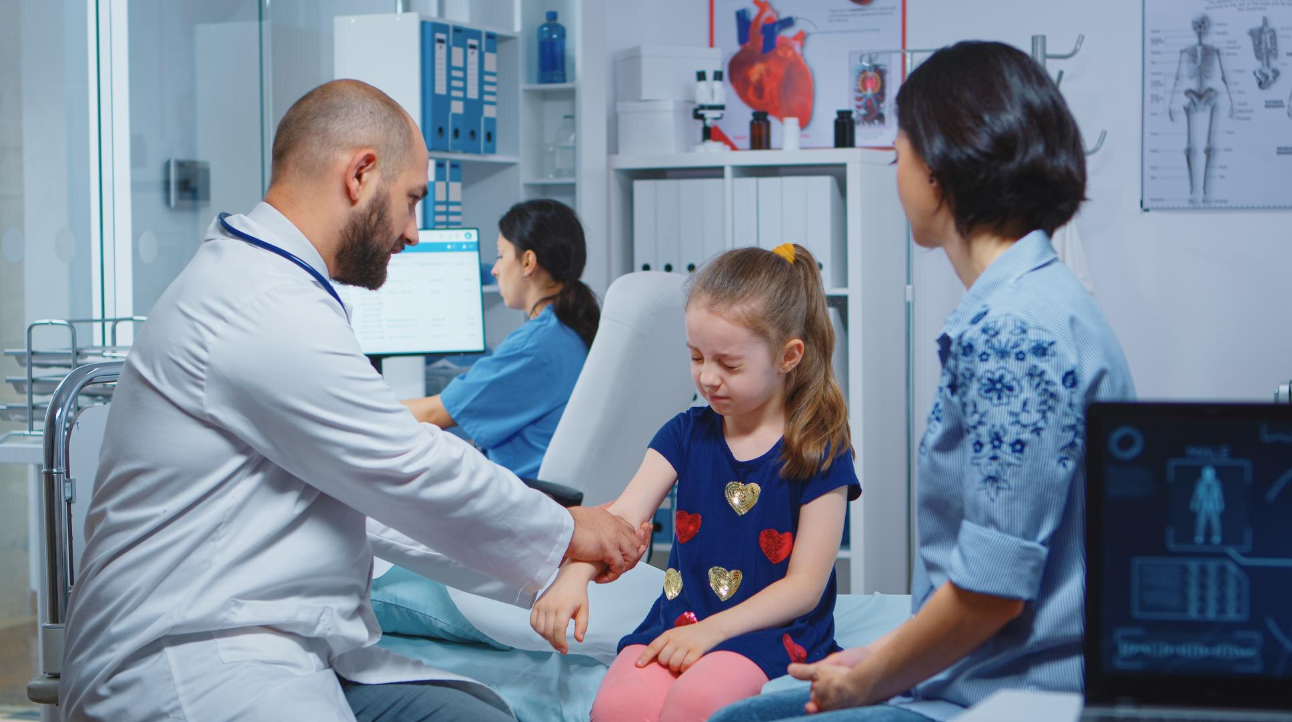
Children Emergency Care in Houston: Signs Your Child Needs Immediate Medical Attention
When a child faces a medical emergency, quick action is very important. Parents often feel unsure about when to seek urgent help. A trusted option like children emergency care in Houston provides specialized medical support for young patients. These facilities are designed to handle child specific emergencies with care and precision. Understanding the warning signs can help parents act without delay. Early response improves treatment outcomes and reduces risks. Knowing where to go and what to expect can make a stressful situation more manageable.
Understanding Children Emergency Care in Houston
What Is Pediatric Emergency Care
Pediatric emergency care focuses on treating infants, children, and adolescents during urgent medical situations. These services are designed to address the unique needs of children. Medical professionals are trained to handle conditions that affect young patients. The environment is also designed to be safe and supportive. This helps reduce fear and anxiety during treatment. Pediatric care ensures accurate diagnosis and proper treatment for children. In cases of injuries caused by accidents, seeking car accident urgent care can also help in addressing immediate concerns.
How Pediatric ER Differs from General ER
A pediatric emergency room is different from a general emergency room. It provides care tailored specifically for children. Equipment and treatment methods are adjusted based on age and size. Doctors and nurses are trained in pediatric medicine. This ensures that children receive the right care for their condition.
- Child specific medical equipment
- Pediatric trained specialists
- Friendly and safe environment
- Focus on child comfort and care
These differences improve the quality of treatment for children.
Importance of Specialized Care for Children
Children respond differently to illnesses and injuries. Specialized care helps in identifying symptoms early. Pediatric emergency care focuses on quick and accurate treatment. This reduces the risk of complications. It also ensures that children recover safely.
Common Signs Your Child Needs Emergency Care
Breathing Difficulties and Respiratory Issues
Breathing problems are serious and require immediate attention. Children may show signs such as rapid breathing or wheezing. These symptoms should not be ignored. Emergency care ensures proper diagnosis and treatment.
- Difficulty breathing or shortness of breath
- Persistent coughing or wheezing
- Bluish color around lips or face
- Noisy breathing
Recognizing these signs early helps in getting timely medical help.
High Fever and Severe Infections
High fever can indicate serious infection in children. If the fever does not improve, it may require emergency care. Parents should monitor temperature and other symptoms carefully.
- Fever above normal range
- Chills and sweating
- Weakness or lack of energy
- Severe headache
Prompt treatment helps prevent complications.
Injuries and Accidents in Children
Children are prone to injuries during daily activities. Some injuries may require immediate medical attention. Seeking help quickly ensures proper treatment.
- Head injuries or falls
- Deep cuts or wounds
- Burns or fractures
- Sudden swelling
These conditions should be treated without delay.
Critical Symptoms That Require Immediate Attention
Sudden Behavioral Changes
Sudden changes in behavior can signal serious health issues. Children may become unusually quiet or irritable. These signs should not be ignored. Emergency care helps identify the cause quickly.
Persistent Vomiting or Dehydration
Vomiting and dehydration can lead to serious complications. If symptoms continue, medical attention is necessary. Parents should watch for signs of dehydration.
- Dry mouth and lips
- Reduced urination
- Weakness or dizziness
- Sunken eyes
Immediate care ensures proper hydration and treatment.
Severe Pain or Unusual Reactions
Severe pain in children should always be taken seriously. It may indicate an underlying condition. Emergency care helps diagnose and treat the issue quickly.
What Happens at a Pediatric Emergency Room
Initial Assessment and Triage for Children
The first step in emergency care is assessment. Medical staff evaluate the child’s condition quickly. Triage helps prioritize patients based on severity. Children with serious conditions are treated first. This ensures timely care for critical cases.
Child Friendly Diagnostic Procedures
Diagnostic tests are performed to identify the problem. Pediatric emergency rooms use safe and effective methods. Tests are designed to minimize discomfort for children.
- Blood tests and lab analysis
- Imaging such as X rays and scans
- Vital signs monitoring
- Rapid diagnostic screenings
These procedures help doctors make accurate decisions.
Immediate Treatment and Care
Treatment begins as soon as the diagnosis is made. Medical teams focus on stabilizing the child. Care is provided in a safe and supportive environment. Quick treatment improves recovery chances.
Services Offered in Pediatric Emergency Care
Treatment for Injuries and Illnesses
Pediatric emergency care covers a wide range of conditions. These include both minor and serious health issues.
- Treatment for cuts and wounds
- Care for infections and illnesses
- Management of fractures and injuries
- Support for allergic reactions
These services ensure that children receive proper care.
Advanced Diagnostic and Monitoring Services
Accurate diagnosis is important for effective treatment. Pediatric emergency rooms provide advanced testing services. Continuous monitoring helps track the child’s condition.
Supportive Care for Children and Families
Emergency situations can be stressful for families. Pediatric care focuses on providing support to both children and parents. This helps create a comfortable environment. Clear communication ensures that parents understand the treatment process.
How to Choose the Right Pediatric ER in Houston
Key Factors Parents Should Consider
Choosing the right facility is important for effective care. Parents should consider several factors before making a decision.
- Availability of 24 hour emergency services
- Experienced pediatric specialists
- Advanced medical equipment
- Clean and safe environment
These factors ensure quality care for children.
Importance of Quick Access and Availability
Quick access to emergency care can make a big difference. Choosing a nearby facility reduces travel time. This helps in getting faster treatment. Planning ahead can help parents act quickly during emergencies.
Tips for Parents During Emergency Situations
Staying Calm and Acting Quickly
Parents should remain calm during emergencies. This helps in making better decisions. Acting quickly ensures that the child receives timely care.
- Keep emergency contact numbers ready
- Know the nearest pediatric emergency facility
- Follow basic first aid steps if needed
- Seek medical help without delay
Staying prepared can improve outcomes.
Preparing for Emergency Visits
Preparation helps reduce stress during emergencies. Parents should keep essential information ready. This includes medical history and contact details. Being prepared ensures a smoother experience.
For sudden medical issues, sudden illness emergency care provides quick and reliable support.
If immediate assistance is needed, you can always contact Life Savers ER for professional pediatric emergency care.
Conclusion
Children’s emergency care in Houston plays an important role in handling urgent medical situations. These facilities provide specialized care tailored to young patients. Recognizing warning signs and acting quickly can improve outcomes. Pediatric emergency rooms offer advanced treatment and supportive care. Parents should stay informed and prepared for emergencies. Quick decisions and proper care ensure the safety and well being of children.
FAQs
1. What is children emergency care
Children’s emergency care provides urgent medical treatment for infants and children during serious health situations.
2. When should I take my child to an emergency room
You should visit when your child has severe symptoms such as breathing problems, high fever, or serious injuries.
3. Are pediatric emergency rooms different from regular ERs
Yes, they provide specialized care designed specifically for children with trained pediatric professionals.
4. What services are available in pediatric emergency care
Services include treatment for injuries, infections, diagnostic testing, and continuous monitoring.
5. How can I prepare for a child emergency
Keep medical records ready, know the nearest emergency facility, and act quickly when symptoms appear.