
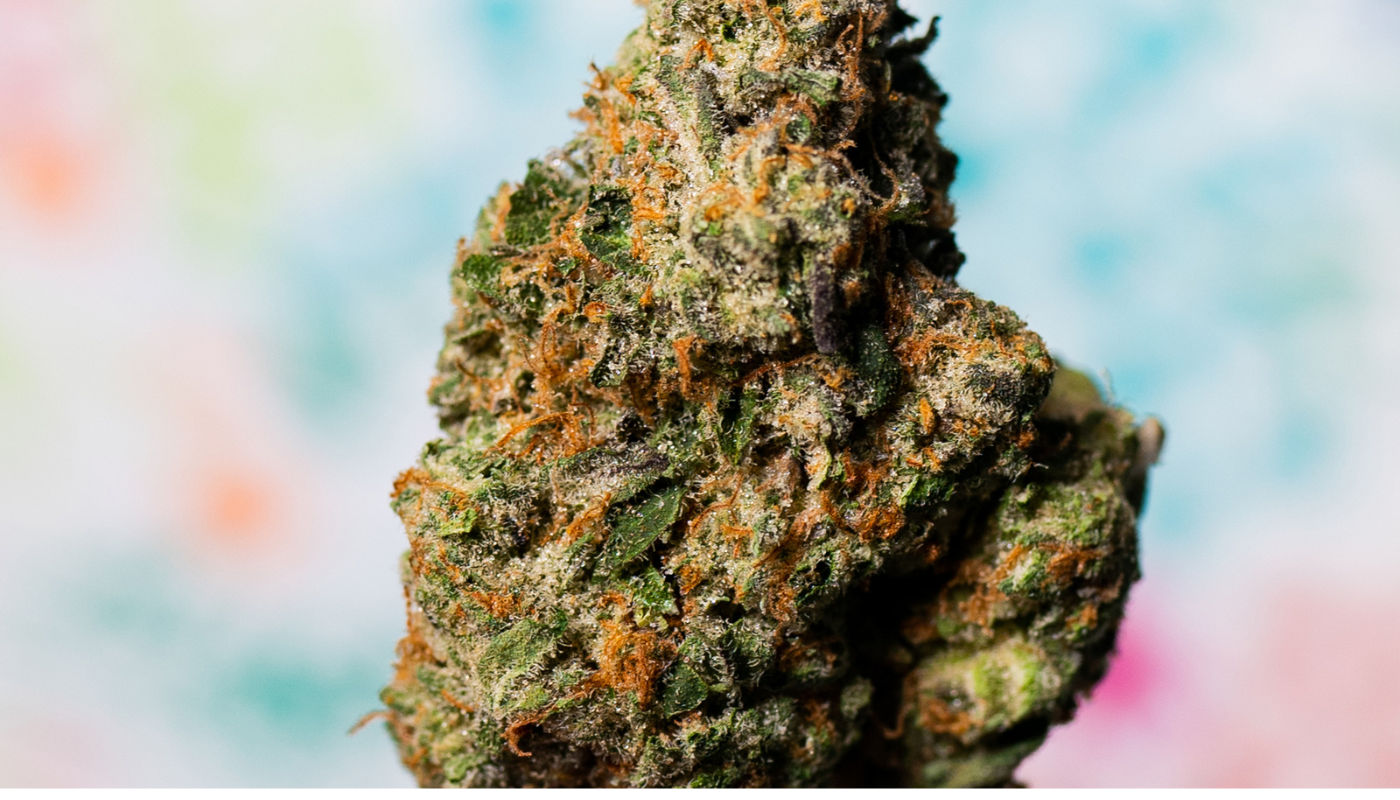
Haze Strain Cannabis Seeds: Understanding Genetics, Terpenes, and Modern Selection
Introduction
As the cannabis seed market continues to mature, buyers are placing greater emphasis on genetic clarity, terpene expression, and breeder transparency. Among the many genetic families available today, Haze has maintained a strong presence due to its distinctive structure and complex aromatic profile. When exploring cannabis seeds, few categories generate as much interest as those derived from the haze strain, largely because of their unique lineage and influence on modern breeding.
The Genetic Foundation of Cannabis Seeds
Cannabis seeds represent the starting point of any genetic expression. Each seed contains a combination of traits inherited from carefully selected parent plants. Over time, breeders have refined these traits through stabilization, ensuring consistency in structure, aroma, and growth patterns.
Today’s buyers approach cannabis seeds with a research-driven mindset. Instead of relying solely on strain names, they evaluate lineage documentation, phenotype stability, and terpene profiles. This shift has increased demand for transparency, making detailed breeder information more valuable than ever.
Within this context, genetics linked to the haze strain often stand out due to their well-documented heritage and distinctive characteristics.
Haze Strain: A Legacy of Complexity
The haze strain is widely recognized for its multi-regional origins, combining genetics from equatorial areas such as Southeast Asia and Central America. This diverse background contributes to its defining traits, including tall growth patterns, elongated flowering cycles, and narrow leaf structures.
One of the most notable aspects of the haze strain is its terpene composition. Often associated with citrus, spice, and herbal notes, its aromatic profile reflects compounds such as terpinolene and limonene. These elements create a layered sensory experience that has influenced countless hybrid varieties.
Unlike more compact genetic lines, haze-based plants tend to develop vertically, requiring careful consideration of structure. This characteristic is a direct result of their adaptation to tropical environments, where longer growth cycles are common.
Why Haze Genetics Continue to Shape Modern Breeding
Despite the rise of newer hybrids, haze genetics remain highly relevant. Breeders frequently incorporate them into modern cannabis seeds to introduce brightness and complexity into terpene profiles. However, balancing these traits with structural manageability requires careful selection and stabilization.
This is where modern breeding techniques come into play. By crossing haze with more compact varieties, breeders can maintain its aromatic intensity while refining growth patterns. The result is a new generation of cannabis seeds that retain the essence of haze while offering improved consistency.
This approach highlights the importance of preserving foundational genetics while adapting them to contemporary expectations.
Stability and Selection in Seed Development
One of the challenges associated with haze-based cannabis seeds is variability. Due to its diverse lineage, the haze strain can produce a wide range of phenotypes if not properly stabilized. This makes breeder expertise particularly important.
Stabilization involves selecting specific traits over multiple generations to ensure predictable outcomes. For buyers, this translates into greater confidence when choosing seeds, as the likelihood of consistent expression increases.
Detailed product descriptions, including lineage breakdown and expected plant characteristics, are essential indicators of quality. They provide insight into how well a seed line has been developed and maintained.
A Modern Approach to Choosing Cannabis Seeds
As the market becomes more sophisticated, the way buyers evaluate cannabis seeds continues to evolve. Instead of focusing solely on popularity, there is a growing emphasis on measurable traits such as terpene composition, structural consistency, and genetic transparency.
Haze-derived genetics often appeal to those seeking complexity and depth. However, understanding how these traits are expressed—and whether they have been properly stabilized—is key to making informed decisions.
This analytical approach supports a more transparent and responsible marketplace, where quality is defined by clarity rather than assumption.
Conclusion
The relationship between cannabis seeds and the haze strain reflects the broader evolution of modern breeding. While seeds serve as the foundation of genetic potential, haze represents a legacy of complexity and aromatic distinction.
By combining careful preservation with innovative breeding techniques, the industry continues to refine these genetics for contemporary use. For informed buyers, understanding this balance provides valuable insight—allowing them to approach seed selection with confidence, clarity, and a deeper appreciation for the role of lineage in shaping quality.