Empowering Independence Through Personalized In-Home Professional Care
Independence is a basic human characteristic that does not decrease with age. To most elderly people, home is something that is inseparably connected with their identity, comfort, and their sense of agency. Nevertheless, when physical or cognitive problems are experienced, the classic perspective of aging promotes a dichotomy: either live independently or relocate to a retirement home. The dichotomy is broken by modern in-home professional care, which provides an intermediate position, where autonomy is valued. With professional assistance in the confines of the home, the seniors are no longer compelled to change according to the fixed timetables of the institution; rather, the care changes according to the seniors.
The Philosophy of Person-Centered Support
Personalized in-home care is built on the foundation of “person-centered” support. This practice is based on what a senior cannot and cannot do to what he/she wants to do. It acknowledges that each person has a background and a distinct set of everyday routines as well as personal aspirations that determine the quality of life. It may be a tradition of Sunday morning gardening spanning a lifetime, or just a cup of coffee at the personal kitchen table, but these little measures of autonomy are the bricks of the mind and heart.
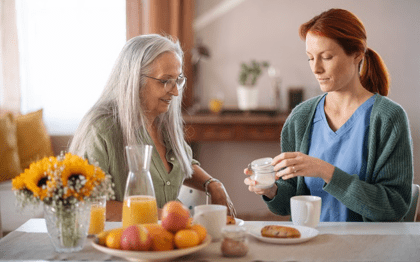
When families are searching for home senior care that provides Marietta in home senior care by Homewatch Caregivers, they are usually seeking more than a medical checklist. They seek an alliance that will keep the voice of the aged in their own care. Professional caregivers are facilitators and not service providers. The caregivers can help with the heavy lifting of daily life activities, e.g., laundry, cooking, taking medications, etc., which frees up the energy of the senior and allows them to concentrate on the things they enjoy and feel good doing.
Excellence in Professional In-Home Care
In-home care should be multifaceted and comprehensive to empower a senior. In 2026, the professional care standard has developed to incorporate a number of vital pillars:
- Personal Care Plans: There is no such thing as two seniors. Professional assessment is not only an evaluation of medical needs, but also an evaluation of social preferences, hobbies, and home safety needs.
- Continuity of Care: Trust is developed by establishing a relationship with a regular caregiver. This connection is fundamental to seniors being comfortable receiving help without feeling disgraced.
- Skilled Professionals: Professional agencies have highly trained personnel knowledgeable about the specifics of certain health conditions, such as dementia-certified care or post-surgical transitional support.
- Integrated Technology: Newer care frequently incorporates “Total Care” solutions- the use of intelligent technology to check on safety and remote communication with family and physicians with an unobtrusive and non-invasive approach.
Home Safety Without Compromising Personal Liberty
The fear of falls or medical emergencies is one of the major factors that has led to the shift to assisted living. In-home care can address these issues by providing proactive environmental management. Caregivers do detailed home safety inspections, which involve the detection of hazards such as loose rugs or poor lighting, which may cause injury.
With few changes in place and the so-called active monitoring, care providers can establish a so-called safety net that, in fact, makes a senior free. When a senior feels safe in his/her physical surroundings, the senior is likely to remain active and on the move. This initiative aims to avert the crisis-based actions towards a facility, which usually happen following an avertable accident.
Cultivating Social and Emotional Connections
Independence does not only mean physical capability, but also emotional strength. One of the biggest threats to senior health is isolation, which frequently results in depression and cognitive decline. Social stimulation is essential in the case of professional in-home care.
Caregivers do not necessarily act as assistants; they can be friends who tell stories, play games, and go with seniors to community events in Marietta. This social integration makes aging in place not aging in solitude. Seniors are active members of the community by keeping in touch with the local community, its parks, shops, and social circles.
Restoring Family Relationships
The advantages of professional care that is unique to the seniors are also immense for the family members of the seniors. The sandwich generation (those with children and aging parents) can be a very stressful and draining experience. In-home care by professionals replenishes the family relationship. The family members will be able to become daughters, sons, and grandchildren again instead of spending every visit doing chores or taking care of medications. The fact that the day-to-day needs are being addressed by a trained professional is a source of peace of mind that is priceless indeed.
Note: In-home care is a scalable solution that is offered by professionals. It may be as brief as a few hours of companionship per week to 24/7 specialty care, which is a flexible option at any age of the aging process.
The Future of Senior Autonomy and In-Home Care
The trend of individualized, professional home care is a wider cultural trend towards the autonomy of our seniors. It is an understanding that old age is a normal stage of life that must be embraced with support, not loss of identity. Families are investing in the happiness and longevity of their loved one by opting to have care in the home.
To the people living in Georgia, high-quality and reliable support has never been more accessible than at the same time through Marietta in home senior care by Homewatch Caregivers. This special service is there so that the seniors can stay in the neighborhoods they are familiar with, with the memories they have developed, and get the professional attention they need. Finally, the empowerment of independence involves offering appropriate support at the appropriate time, so that each senior can live life according to his or her terms, in his/her own house as long as possible.