Harrisons Bird Pellets: One of the Best Things You Can Do for Your Bird
When you bring a bird home, you can not understand how important its food is. At the pet store, you grab whatever seems respectable. But slowly, you start noticing things. Feathers looking a little off. Energy is not quite right. The bird just seems quieter than usual. That is when most people start actually digging into what they are feeding, and that research almost always leads them to harrisons bird pellets.
It sounds simple, but the food really does explain a lot. Birds hide discomfort naturally, it is an instinct thing, so by the time something is visibly wrong, it has usually been building for a while. Getting the diet right early saves you from a lot of that.
What Actually Goes Into Harrisons Bird Pellets
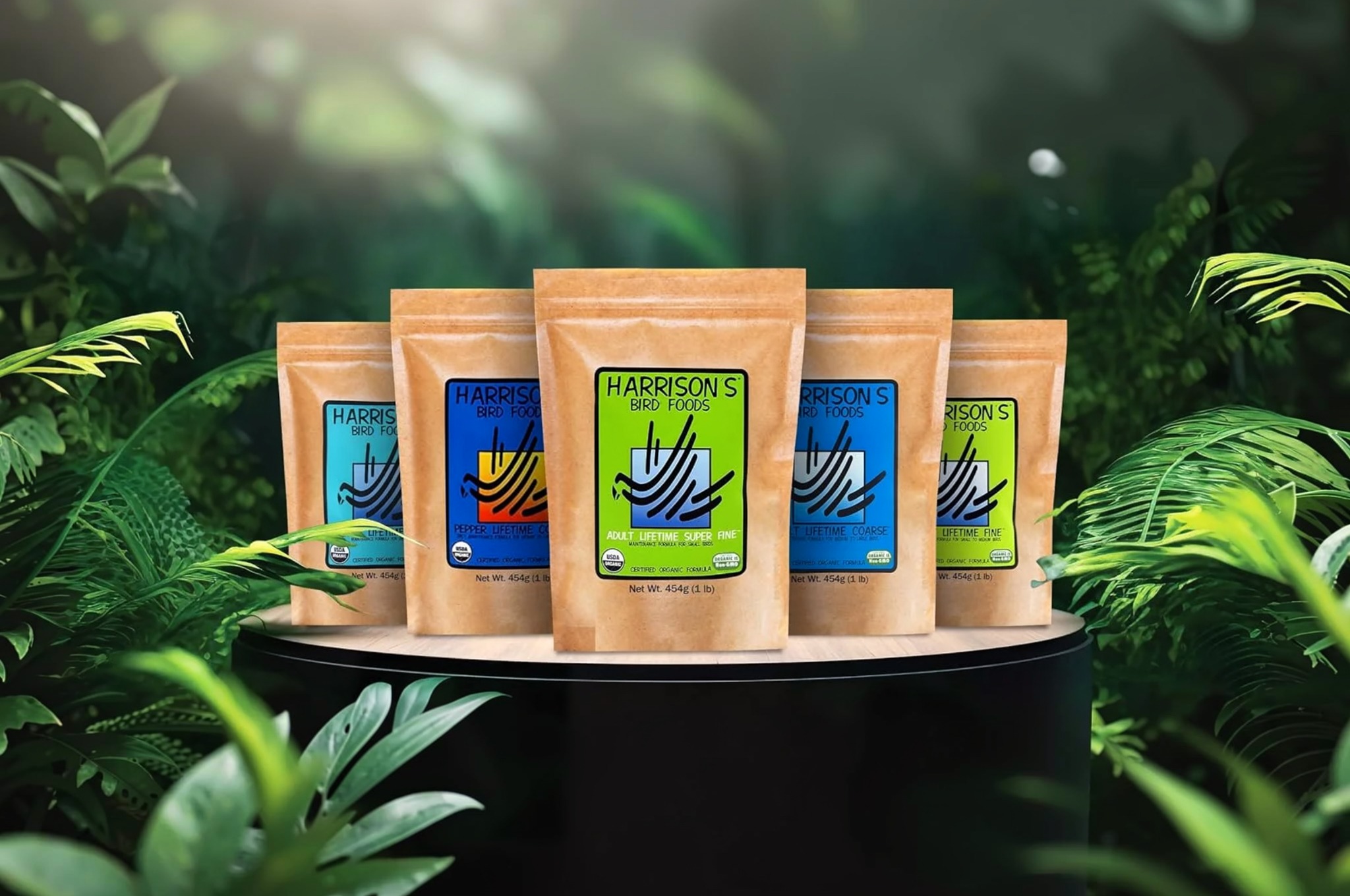
There is a reason owners who switch to Harrison’s rarely go back to whatever they were using before. Everything in the formula is certified organic. No artificial colors, no preservatives, nothing added just to make the bag look more appealing to the buyer. The focus is entirely on what the bird actually needs.
Within a few weeks of switching, most owners notice the change without even actively looking for it. Feathers come in cleaner and fuller. The bird moves around more. Eyes look brighter. Random unexplained vet visits for vague symptoms tend to drop off, too, which is honestly one of the most telling signs that a food is genuinely doing something good.
Harrisons bird pellets also come in different formulas because Harrison’s understood early on that birds do not all have the same needs at the same time. There is an adult lifetime formula built for everyday healthy maintenance. For birds undergoing more physically taxing events, such as a molt, recuperation time, breeding, or simply a challenging seasonal change, there is a high-potency variant. Pellet sizes vary, too, so a small cockatiel and a large Amazon parrot are not being handed the same piece of food and told to figure it out. That kind of attention to detail is what separates a thoughtfully made product from something thrown together to fill shelf space.
Roudybush Daily Maintenance Bird Food Is Worth Knowing About
A lot of experienced bird owners keep both Harrison’s and Roudybush daily maintenance bird food in the house at the same time, and once you understand what each one does well, that starts to make a lot of sense. Roudybush was formulated by an avian nutritionist who spent significant time studying what companion birds need in their daily diet. The result is a clean and reliable pellet with no added sugar, no artificial ingredients, and no need to stack vitamins or supplements on top because the nutritional balance is already built into the pellet itself.
People who use Roudybush daily maintenance food consistently say it makes the whole feeding routine uncomplicated. You fill the bowl, you keep water fresh, and you are done. There is no second-guessing about whether your bird got enough of something today. For birds that tend to carry extra weight, there is a low-fat version that retains all the important nutrients without the added calories. That flexibility is genuinely useful because every bird is a little different, and having options that reflect that matters.
Getting Your Bird to Consume the New Food
Birds can be remarkably stubborn about anything new in their bowl. Some of them will sit next to a full serving of perfectly good food and refuse to touch it for days simply because it looks different from what they are used to. It is not being difficult for its own sake. That is just how birds are wired.
The approach that actually works is patience and a gradual transition. Start by mixing a small amount of Harrison’s bird pellets in with whatever your bird currently eats. Gradually increase the proportion of pellets day by day until they account for most of the bowl’s contents. Most birds come around faster than their owners expect, partly because the smell of Harrison’s is natural and mild rather than sharp or artificial, which makes it a lot less alarming to a cautious bird.
One trick that works better than it probably should is pretending to eat the pellets yourself. Pick one up, hold it near your mouth, and act like it is the best thing you have had all day. Birds look to their flock to figure out what is safe to eat, and in a home setting, you are the flock. Once they see you going for it, curiosity usually takes over fairly quickly.
Keep an eye on droppings throughout the whole transition. That is the most obvious indication that your bird is not only moving the bowl but is truly eating. Ease back on the changeover and reintroduce more of the prior food for a few days before attempting again if the droppings appear really small and dark or otherwise strange.
It All Comes Down to What Your Bird Eats Every Day
Birds cannot alert you to problems. You progressively observe behavioral changes, decreased activity, and duller feathers. It comes down to what they eat on a daily basis. It is not so hard to take a healthy diet. Regardless of the size of your parrot, there are reliable techniques available.
Your bird will eventually show you the difference if you start with Harrisons Bird Pellets and maintain consistency.