
iPhone Charger and Wireless Charger: Modern Charging Solutions for Apple Devices
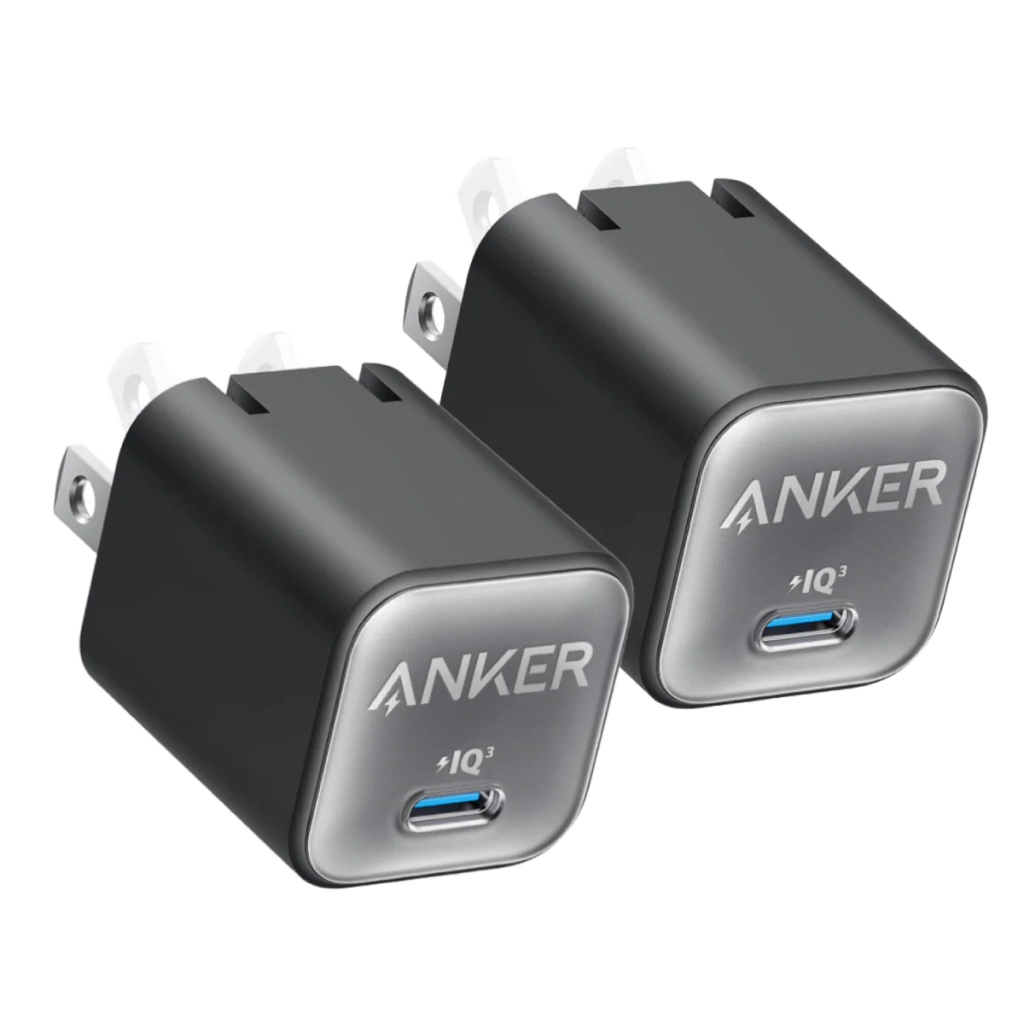
Smartphones have become an essential part of everyday life. People rely on their devices for communication, work, entertainment, and navigation throughout the day. Because of this constant usage, maintaining battery power is extremely important. A reliable iphone charger plays a key role in keeping devices powered and ready for daily activities. At the same time, innovations like the wireless charger have introduced a more convenient and cable-free way to charge modern smartphones.
Understanding how these charging solutions work can help users select the best option for their devices while improving their overall charging experience.
What Is an iPhone Charger
An iphone charger is the power adapter and cable used to charge Apple iPhones. It converts electrical power from a wall outlet into the correct voltage and current required by the smartphone battery.
Most iPhone chargers include two main components: a power adapter and a charging cable that connects to the phone’s charging port. These chargers are designed to provide safe and efficient power delivery so that the device battery can recharge properly.
Because smartphones are used frequently throughout the day, a reliable charger ensures that users can keep their devices powered without interruptions.
Importance of Using the Right iPhone Charger
Using a compatible iphone charger is important for maintaining battery performance and device safety. Chargers designed for iPhones provide stable power that supports the phone’s charging system.
High-quality chargers help maintain battery health and ensure efficient charging speeds. They also include safety features that protect devices from issues such as overheating or power fluctuations.
For users who depend on their smartphones for work or communication, having a dependable charger is essential for uninterrupted daily usage.
Introduction to Wireless Charger Technology
In recent years, charging technology has evolved significantly. One of the most convenient innovations is the wireless charger, which allows users to charge their devices without connecting a cable directly to the phone.
Wireless charging works by transferring energy from the charger to the smartphone through electromagnetic induction. The phone simply needs to be placed on a compatible charging pad for the battery to start charging.
Many modern smartphones, including several iPhone models, support wireless charging technology. This feature provides a simple and convenient alternative to traditional charging cables.
How Wireless Charging Works
A wireless charger uses a charging pad that contains a special coil capable of generating an electromagnetic field. When a compatible smartphone is placed on the pad, another coil inside the phone receives this energy and converts it into electrical power.
This power is then used to recharge the device battery. The process occurs automatically once the phone is correctly positioned on the charging surface.
Because the charging process happens without physical cable connections, wireless charging offers a convenient and clutter-free experience.
Benefits of Using a Wireless Charger
Many users prefer a wireless charger because of the convenience it offers.
One of the main benefits is simplicity. Users can charge their phone by simply placing it on the charging pad without plugging in a cable.
Another advantage is reduced wear on charging ports. Since wireless charging does not require repeated cable connections, it can help prevent damage to the phone’s charging port over time.
Wireless chargers also help maintain a clean and organized workspace. Charging pads can be placed on desks, bedside tables, or office surfaces, making charging easy throughout the day.
These advantages make wireless charging an increasingly popular option for smartphone users.
Comparing iPhone Chargers and Wireless Chargers
Both the iphone charger and the wireless charger serve the same purpose of powering smartphone batteries, but they operate in different ways.
A traditional iPhone charger uses a cable to deliver power directly to the phone through its charging port. This method often provides faster charging speeds and is commonly used when the battery needs to recharge quickly.
Wireless chargers, on the other hand, offer greater convenience. They eliminate cables and allow users to charge their phone simply by placing it on the charging pad.
Many users choose to use both types of chargers depending on the situation. For example, a wired charger may be used during travel, while a wireless charger may be used at home or in the office.
Tips for Choosing the Right Charger
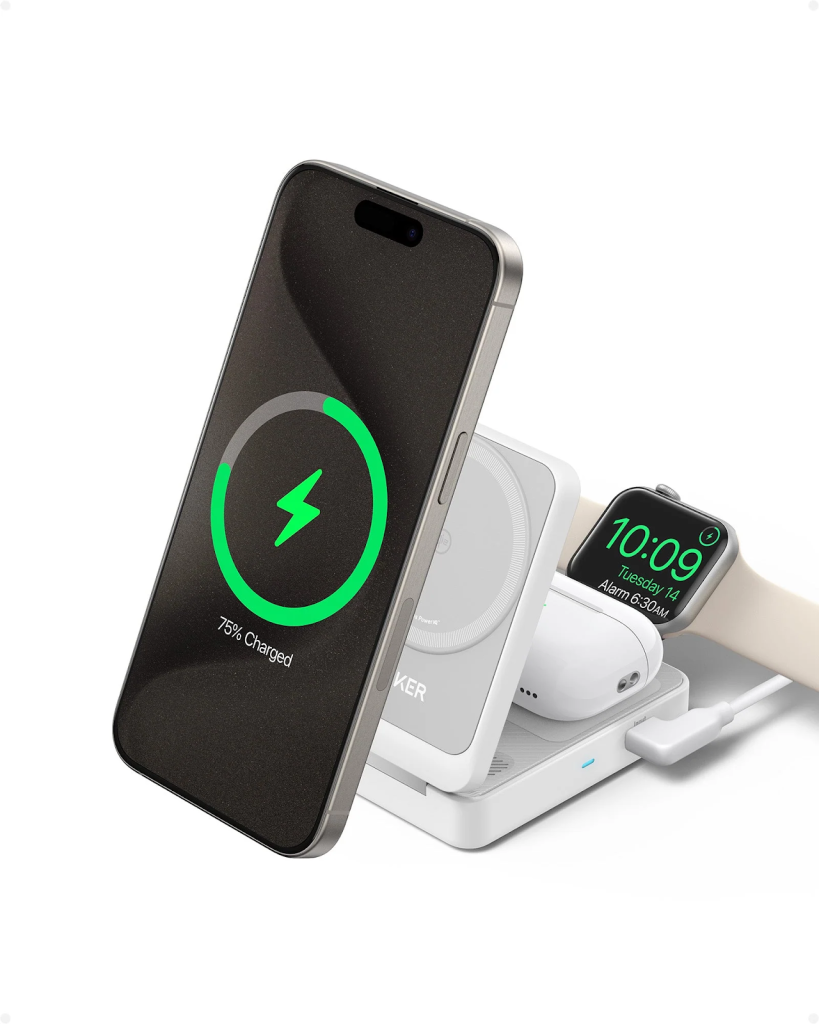
When selecting an iphone charger, users should ensure that it is compatible with their iPhone model and provides the correct power output.
For those interested in cable-free charging, choosing a reliable wireless charger designed for compatible devices is important.
Placement also matters when using wireless chargers. The phone must be positioned correctly on the charging pad to ensure efficient charging.
Users should also consider factors such as build quality, charging efficiency, and compatibility when selecting charging accessories.
Choosing the right charger helps ensure safe and effective power delivery for everyday smartphone use.
The Future of Smartphone Charging
Charging technology continues to evolve as manufacturers develop faster and more efficient solutions. Future iphone charger designs may focus on improved charging speeds and enhanced battery protection.
Wireless charging technology is also expected to become more advanced. Future wireless charger models may offer faster energy transfer, improved alignment systems, and greater compatibility with multiple devices.
These innovations will make smartphone charging even more convenient and efficient in the years ahead.
Conclusion
Reliable charging accessories are essential for maintaining smartphone performance. A dependable iphone charger ensures that Apple devices can recharge safely and efficiently.
At the same time, a wireless charger offers a convenient and cable-free alternative that simplifies the charging process.
By understanding how these technologies work and choosing compatible accessories, users can keep their smartphones powered and ready for everyday use.