
Marine Engine Blower The Key to Efficient Ventilation, Engine Performance, and Vessel Safety
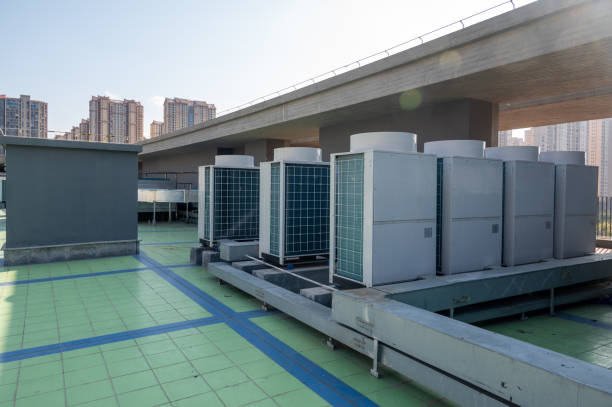
The marine industry relies on a wide range of specialized systems to ensure vessels operate efficiently, safely, and reliably. Among these essential components, the marine engine blower plays a crucial role in maintaining proper airflow within engine compartments and supporting overall vessel performance. Whether installed on recreational boats, commercial ships, fishing vessels, offshore support craft, or luxury yachts, a marine engine blower contributes significantly to engine efficiency, safety, and operational reliability.
Marine environments present unique challenges, including high humidity, saltwater exposure, confined spaces, and continuous equipment operation. These conditions make proper ventilation and airflow management essential. Without effective air circulation, engine rooms can experience excessive heat buildup, poor combustion efficiency, and the accumulation of potentially hazardous fumes.
As vessel operators seek greater efficiency, lower operating costs, and compliance with increasingly stringent safety regulations, the demand for high-quality marine engine blower systems continues to grow. This article explores the importance of marine engine blower technology, its applications, benefits, industry trends, and key considerations when selecting the right blower for marine operations.
Understanding a Marine Engine Blower
A marine engine blower is a ventilation device specifically designed to move air into or out of engine compartments and enclosed marine spaces. Its primary purpose is to provide a continuous flow of fresh air while removing heat, moisture, fumes, and potentially harmful gases.
Unlike standard industrial blowers, a marine engine blower is engineered to withstand harsh marine conditions, including:
- Saltwater exposure
- High humidity levels
- Continuous vibration
- Temperature fluctuations
- Limited installation space
- Corrosive environments
Marine engine blower systems are commonly installed in engine rooms, machinery compartments, fuel storage areas, and other enclosed spaces where adequate ventilation is critical for safe operation.
By maintaining airflow within these areas, a marine engine blower helps support engine performance, improve safety, and extend the lifespan of onboard equipment.
Why Proper Ventilation Matters in Marine Applications
Ventilation is a fundamental requirement for marine vessels of all sizes. Engine compartments contain numerous systems that generate heat and consume oxygen during operation.
Without sufficient airflow, several operational problems can occur.
Heat Accumulation
Marine engines generate substantial amounts of heat during operation. If this heat is not effectively removed, engine room temperatures can rise rapidly.
Excessive heat can cause:
- Reduced engine efficiency
- Component deterioration
- Electrical failures
- Increased maintenance costs
- Premature equipment wear
A marine engine blower helps maintain optimal temperatures by continuously circulating fresh air through the engine compartment.
Combustion Air Supply
Internal combustion engines require a consistent supply of oxygen-rich air to operate efficiently.
An inadequate airflow supply can result in:
- Poor fuel combustion
- Increased fuel consumption
- Reduced power output
- Higher emissions
A properly sized marine engine blower ensures the engine receives sufficient airflow for efficient combustion.
Removal of Hazardous Vapors
Fuel vapors and exhaust gases can accumulate within enclosed spaces, particularly in gasoline-powered vessels.
These vapors present serious safety risks, including:
- Fire hazards
- Explosions
- Health concerns for crew members
Marine engine blower systems help remove dangerous vapors before they reach unsafe concentrations.
Moisture and Condensation Control
Marine environments naturally expose vessels to high humidity levels.
A marine engine blower helps reduce moisture buildup, preventing:
- Corrosion
- Mold growth
- Electrical damage
- Structural deterioration
Effective ventilation plays a major role in preserving both equipment and vessel integrity.
Types of Marine Engine Blower Systems
Various types of marine engine blower systems are available to accommodate different vessel requirements.
Axial Marine Engine Blower
Axial blowers move air parallel to the fan shaft and are commonly used in applications requiring high airflow volumes.
Benefits include:
- Compact design
- Lightweight construction
- Efficient airflow delivery
- Cost-effective operation
These blowers are often found in smaller recreational boats and medium-sized commercial vessels.
Centrifugal Marine Engine Blower
Centrifugal blowers use rotating impellers to generate airflow at higher pressure levels.
Advantages include:
- Strong airflow performance
- Effective operation in ducted systems
- Reliable ventilation in confined spaces
- Excellent durability
Centrifugal marine engine blower systems are frequently used in larger vessels and industrial marine applications.
Inline Marine Engine Blower
Inline blowers are installed directly within ventilation ducts and provide efficient airflow through confined pathways.
They are commonly used in:
- Engine compartments
- Bilge ventilation systems
- Fuel storage spaces
- Machinery rooms
Explosion-Proof Marine Engine Blower
Certain marine environments require specialized equipment designed for hazardous conditions.
Explosion-proof marine engine blower systems are used in:
- Fuel compartments
- Tankers
- Offshore platforms
- Chemical transport vessels
These units are engineered to minimize ignition risks while maintaining reliable airflow.
Applications of Marine Engine Blower Systems
A marine engine blower serves a wide range of applications throughout the maritime industry.
Recreational Boats
Pleasure craft often utilize gasoline engines that produce combustible fuel vapors.
A marine engine blower helps ventilate engine compartments before startup and during operation, reducing safety risks and improving performance.
Commercial Fishing Vessels
Fishing boats frequently operate for extended periods under demanding conditions.
Marine engine blower systems support engine cooling and ventilation, helping maintain reliability during long voyages.
Cargo Ships
Large commercial vessels contain extensive engine and machinery spaces that require continuous airflow.
A marine engine blower helps regulate temperatures, remove contaminants, and support efficient engine operation.
Offshore Support Vessels
Offshore vessels work in challenging environments where equipment reliability is essential.
Marine engine blower systems contribute to safe and uninterrupted operations by maintaining proper ventilation.
Luxury Yachts
Comfort and performance are top priorities aboard luxury yachts.
Modern marine engine blower technology helps maintain quiet, efficient airflow while supporting passenger comfort and equipment longevity.
Benefits of Installing a High-Quality Marine Engine Blower
Investing in a reliable marine engine blower offers significant advantages for vessel owners and operators.
Enhanced Engine Performance
A marine engine blower ensures engines receive an adequate supply of fresh air.
Benefits include:
- Improved combustion efficiency
- Greater power output
- Reduced fuel consumption
- Lower emissions
Efficient airflow directly contributes to better engine performance.
Improved Safety
One of the most important functions of a marine engine blower is removing hazardous fumes from enclosed spaces.
Proper ventilation reduces the risk of:
- Fuel vapor accumulation
- Fire incidents
- Explosive conditions
- Toxic gas exposure
This creates a safer environment for crew members and passengers.
Longer Equipment Lifespan
Heat and moisture are major contributors to equipment deterioration.
A marine engine blower helps protect:
- Engines
- Generators
- Electrical systems
- Control panels
- Auxiliary equipment
By maintaining stable environmental conditions, ventilation systems help extend component lifespan.
Reduced Maintenance Costs
Well-ventilated engine rooms experience less corrosion and heat-related wear.
As a result, vessel operators often benefit from:
- Fewer repairs
- Reduced downtime
- Lower maintenance expenses
- Increased operational efficiency
Better Fuel Economy
Efficient airflow supports optimal engine combustion.
Many vessel owners notice improvements in fuel efficiency after upgrading or properly maintaining their marine engine blower systems.
Practical Examples of Marine Engine Blower Performance
Fishing Vessel Operations
A commercial fishing vessel operating in warm coastal waters experienced frequent engine overheating issues.
After installing a larger-capacity marine engine blower system, engine room temperatures decreased significantly, reducing maintenance requirements and improving reliability.
Yacht Ventilation Upgrades
A luxury yacht owner sought to improve onboard comfort and reduce engine compartment temperatures.
The installation of advanced marine engine blower units improved airflow, reduced noise levels, and enhanced overall vessel performance.
Offshore Platform Safety
An offshore support vessel operating near oil production facilities relied on explosion-proof marine engine blower systems to maintain safe air quality in hazardous work areas.
These systems helped ensure compliance with safety regulations while protecting personnel.
Cargo Vessel Efficiency Improvements
A cargo ship operator upgraded aging ventilation equipment with modern marine engine blower technology.
The result was improved engine efficiency, lower fuel consumption, and reduced operating costs across the fleet.
Key Features to Look for in a Marine Engine Blower
Selecting the right marine engine blower requires careful consideration of several factors.
Corrosion Resistance
Marine environments expose equipment to saltwater and humidity.
Look for marine engine blower models constructed from:
- Marine-grade plastics
- Stainless steel
- Corrosion-resistant aluminum
- Protective coatings
Airflow Capacity
Proper airflow is essential for effective ventilation.
The blower should be sized according to:
- Engine room volume
- Heat generation levels
- Ventilation requirements
- Equipment specifications
Energy Efficiency
Modern marine engine blower systems are designed to deliver high airflow while minimizing power consumption.
Energy-efficient models help reduce operating costs over time.
Noise Reduction
Quiet operation is particularly important for passenger vessels and yachts.
Advanced blower designs often include features that reduce vibration and noise.
Safety Certifications
Ensure the selected marine engine blower meets relevant marine industry standards and certifications.
This is especially important for vessels operating in hazardous environments.
Emerging Trends in Marine Engine Blower Technology
The marine industry continues to embrace technological advancements that improve efficiency and sustainability.
Smart Monitoring Systems
Modern marine engine blower systems increasingly incorporate sensors that monitor:
- Airflow performance
- Temperature levels
- Motor health
- Energy consumption
These systems support predictive maintenance and improved operational reliability.
Variable-Speed Technology
Variable-speed blowers automatically adjust airflow based on operating conditions.
Benefits include:
- Reduced energy usage
- Improved efficiency
- Lower noise levels
- Enhanced equipment lifespan
Lightweight Materials
Manufacturers are developing lighter blower components that reduce vessel weight without compromising durability.
Weight reduction contributes to improved fuel efficiency and performance.
Sustainability Initiatives
As environmental regulations become stricter, marine engine blower manufacturers are focusing on energy-efficient designs that support greener vessel operations.
These solutions help operators reduce emissions and operating costs simultaneously.
Maintenance Best Practices for Marine Engine Blower Systems
Routine maintenance is essential for ensuring reliable blower performance.
Inspect Components Regularly
Check for:
- Corrosion
- Loose fasteners
- Damaged blades
- Electrical issues
Regular inspections help identify problems before they become serious.
Clean Air Pathways
Dust, debris, and contaminants can restrict airflow.
Keeping ducts and ventilation pathways clean ensures optimal performance.
Monitor Motor Performance
Motor health directly impacts blower efficiency.
Routine testing can help detect wear before failures occur.
Lubricate Moving Parts
Proper lubrication reduces friction and extends component lifespan.
Always follow manufacturer recommendations.
Replace Worn Components Promptly
Timely replacement of damaged parts helps maintain airflow performance and prevents costly breakdowns.
Conclusion
A marine engine blower is a critical component that supports vessel safety, engine performance, equipment longevity, and overall operational efficiency. By providing essential airflow, controlling temperatures, removing hazardous vapors, and maintaining healthy environmental conditions within engine compartments, these systems play a vital role in modern marine operations.
From recreational boats and luxury yachts to commercial fishing vessels, cargo ships, and offshore support vessels, the benefits of a high-quality marine engine blower extend across every sector of the maritime industry. As technology continues to evolve, advanced blower systems will become even more efficient, reliable, and environmentally responsible. Investing in the right marine engine blower solution can deliver long-term value through improved safety, reduced maintenance costs, enhanced fuel efficiency, and greater operational reliability. For expert advice and customized marine ventilation solutions tailored to your vessel’s requirements, contact us.